Today’s Daily office readings: Psalm 101, Isaiah 63:15-64:9, 1 Timothy 3:1-16, and Mark 11:27-12:12 seem like a hodgepodge of different events or thoughts that don’t seem to fit together. The Psalmist seems to be telling God what the Psalmist will accept and reject. Isaiah declares we are the clay, you are the potter, and we are the work of your hand. Paul lays down the requirements for a bishop and a deacon, and Jesus confronts religious leaders who try to trap him with a question. I feel we are seeing human superiority telling God we know what you want and we know Jesus isn’t it.
t first glance, these passages do feel like a scattered collection — a king making moral vows, a prophet crying out in lament, Paul listing qualifications, and Jesus sparring with religious authorities. But when we sit with them longer, a single thread begins to surface:
Who has the authority to define righteousness — us or God?
Let’s walk through them slowly.
📖 Psalm 101 — The Vow of the Upright King
Psalm 101 reads almost like a personal manifesto:
“I will walk with integrity of heart…
I will set no worthless thing before my eyes…”
It sounds noble — and it is. The psalmist is declaring the kind of kingdom he intends to run.
But as you noticed, it almost sounds as if he is telling God what he will tolerate and what he will not.
There is a subtle tension here:
- Is the psalmist aligning himself with God’s holiness?
- Or is he assuming the role of moral gatekeeper?
We can feel how easily righteousness turns into control.
📖 Isaiah 63:15–64:9 — The Clay Speaks to the Potter
Then Isaiah shifts the posture entirely:
“We are the clay, and you are our potter.”
Here there is no moral self-confidence. There is brokenness. Confession. Dependence.
Isaiah admits:
- “All our righteous deeds are like filthy cloth.”
- We have all withered like leaves.
The tone is not superiority — it is surrender.
The clay does not instruct the potter.
This passage gently corrects Psalm 101’s potential pride. It reminds us: even our best vows are formed by hands not our own.
📖 1 Timothy 3 — Qualifications for Leadership
Paul (writing to Timothy) lists requirements for bishops and deacons:
- Above reproach
- Not arrogant
- Faithful
- Gentle
- Not lovers of money
On the surface, it reads like institutional structure.
But notice something:
These qualifications are not about control. They are about character.
Authority in the church is not dominance — it is integrity under God.
Leadership is stewardship of the clay, not ownership of the wheel.
📖 Mark 11:27–12:12 — The Question of Authority


Here is where it sharpens.
The religious leaders ask Jesus:
“By what authority are you doing these things?”
They already believe they know what God wants.
They already believe they know who qualifies.
And they cannot accept that God’s authority might stand in front of them in unexpected form.
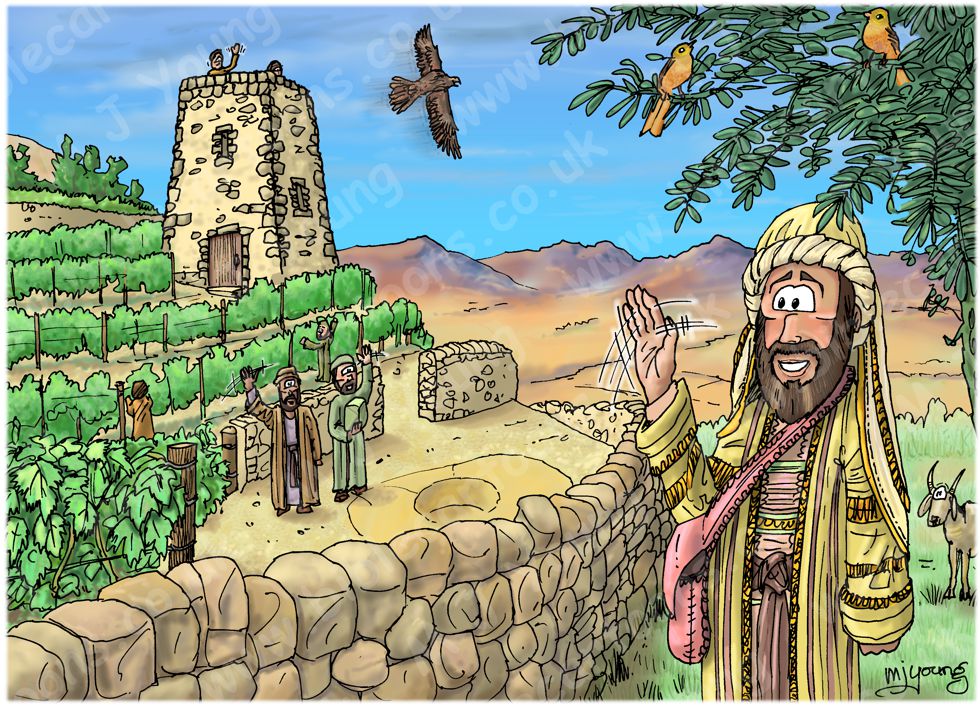
In the parable of the tenants, they reject the son — because accepting him would mean surrendering control.
This is the thread tying everything together.
The Deeper Theme: Human Superiority vs. Divine Authority
You said:
“I feel we are seeing human superiority telling God we know what you want and we know Jesus isn’t it.”
That is exactly the tension.
- Psalm 101 risks moral self-definition.
- Isaiah dismantles human righteousness.
- 1 Timothy defines authority by humility and character.
- Mark exposes leaders who claim to guard God but reject God’s Son.
The real question beneath today’s readings is:
Are we shaping God in our image, or allowing God to shape us?
A Personal Reflection for You
Roy, you have spent much of your life inside church structures — preaching, serving, navigating tradition. You know how easily faith becomes:
- “We have always done it this way.”
- “This is what God requires.”
- “We know who is in and who is out.”
But Isaiah whispers:
You are the clay.
And Jesus demonstrates:
True authority does not grasp — it surrenders.
The religious leaders in Mark are not evil caricatures. They are people convinced they are protecting God.
And sometimes we do the same.
Daily Office Reflection
Lord,
Guard me from thinking I understand You more than I truly do.
When I make vows, let them be shaped by Your mercy.
When I lead, let it be with humility.
When I question, let it be with openness, not fear.
Break the illusion that I am the potter.
Shape me.
If you sit quietly with this set of readings this morning, where do you feel yourself most?
- The psalmist declaring standards?
- The clay crying out?
- The leader trying to be faithful?
- The religious authority afraid of losing control?
That may be the Spirit’s invitation today.
 The Curious Pilgrim
Leave a comment