Every place holds a memory, a lesson, a turning point. This is where we share the cities, towns, and hidden corners that left their mark on us — shaping our values, passions, and perspectives. Step into our personal map and see the world through the footsteps that made us who we are.
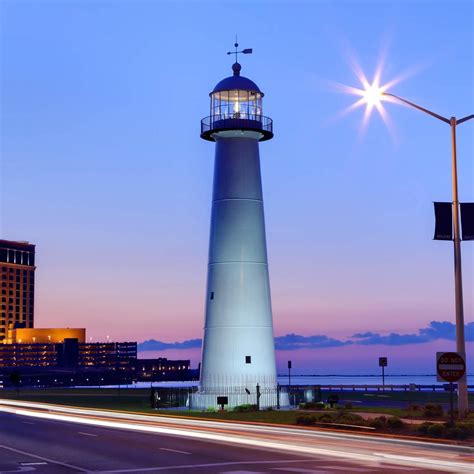
ROY: THE BILOXI LIGHTHOUSE
Whenever I think of strength, my mind returns to the Biloxi Lighthouse. As a child, standing at its base along the Gulf Coast, I was in awe. There it stood — proud and unwavering — having weathered the fiercest storms, hurricanes that stripped the land bare, yet it remained. That image rooted itself deep inside me, a symbol of endurance against life’s tempests.
Even now, when challenges gather like dark clouds, I remember that lighthouse. Its steady presence reminds me that we, too, can stand firm when life tries to shake our foundations. There’s comfort in that — a feeling of home, of roots sunk deep into the earth, anchored in something stronger than fear.
To me, the lighthouse is more than stone and steel — it’s faith made visible. Just as it guides ships through uncertain waters, faith lights the way through hardship. It tells me that storms will pass, that no matter how hard the winds howl, there is strength within me that no storm can uproot. It’s a beacon of hope, reminding me that I belong to a greater story — one of resilience, grace, and the quiet power of standing tall.
And so, in every trial, I carry the Biloxi Lighthouse with me — a symbol of home, faith, and the enduring courage to remain standing.
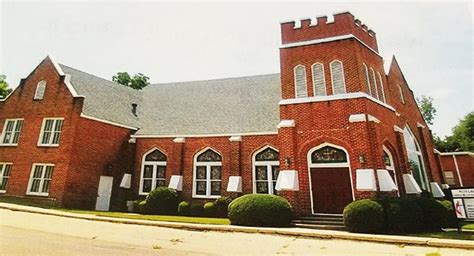
ROY: WEST LAUREL, MS UNITED METHODIST CHURCH
Serving small churches is a sacred and humbling calling. When my father — a farmer and a Free Will Baptist pastor — died when I was just 14, his death left not just a hole in our family, but also in the little church he served. I felt the call to ministry soon after, and by 15, I was standing in the pulpit of that same small rural congregation. It was 1965, and I was still more boy than man, yet I was entrusted with the spiritual care of people who had watched me grow up.
Small church ministry is unlike any other. There is no anonymity — everyone knows you, your family, your struggles, and your heart. You don’t just preach on Sundays; you visit in kitchens, fields, and hospital rooms. You bury the dead, marry the young, sit with the grieving, and celebrate new life in baptisms. These people become your extended family.
There is both intimacy and burden in that closeness. You see the best and worst in people — and they see the same in you. The work is unglamorous, often done without recognition, but it is deeply meaningful. You’re not just shaping sermons — you’re shaping lives, often in ways you’ll never fully know.
When I served West Laurel United Methodist Church — the last congregation I pastored before leaving ministry in 2006 — I carried with me all those years of ministering to small congregations. What I learned is that the power of ministry isn’t in the size of the church but in the depth of the relationships. It’s about walking alongside people in the ordinary and extraordinary moments of life, reminding them that God is present in both.
Leaving ministry was not easy, but the memories and the lessons remain. The faces, the prayers, the laughter, and the tears — those are etched in my soul. Small church ministry taught me that the Kingdom of God is not built on grand buildings or large numbers, but on the quiet, steady work of love, faith, and presence.
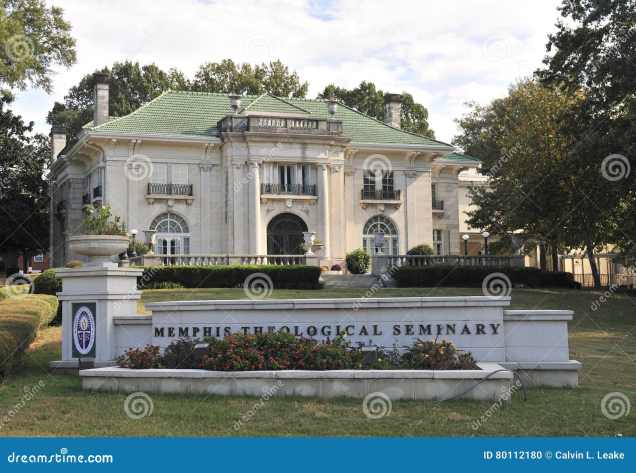
ROY: MEMPHIS THEOLOGICAL SEMINARY, MEMPHIS, TENNESSEE
Education has always been a cherished and formative part of my life. Along the way, I have been blessed with teachers and professors who not only taught but guided me, shaping both my intellect and character. From my early days at Union School to my graduate studies at Memphis Theological Seminary, each institution planted seeds — seeds of curiosity, faith, discipline, and purpose.
These seeds didn’t remain dormant. They germinated over the years, nurtured by experience, community, and reflection. But it was at Memphis Theological Seminary where they truly flourished. Graduating in 2003 with the honor of Summa Cum Laude was not just a personal achievement — it symbolized the growth that had taken root within me.
Seminary was transformative. It introduced me to a deeper understanding of what it means to love God and love neighbor. It wasn’t simply an academic journey; it was a spiritual awakening to live life sacramentally — to see the divine in the everyday, to practice grace in every relationship, and to embrace service as an expression of faith.
Education for me has never just been about knowledge. It has been about formation — of the mind, heart, and soul. And for that, I remain deeply grateful.
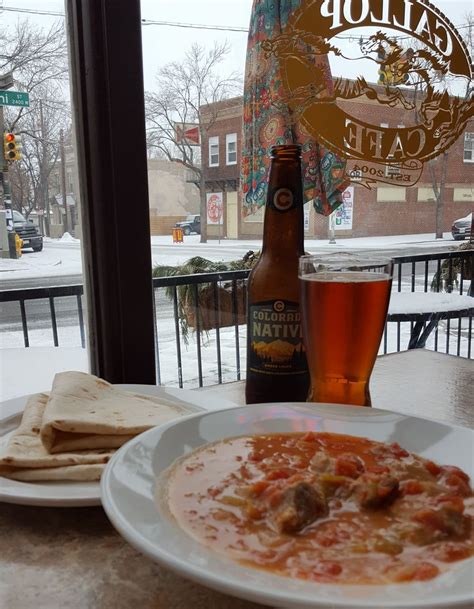
ROY: THE GALLOP CAFE
DENVER, COLORADO
After Hurricane Katrina struck Mississippi in 2005, I threw myself headfirst into relief efforts. As Pastor of West Laurel United Methodist Church in Laurel, I organized and led the Pine Belt Restoration project. The mission was urgent, the need overwhelming, and the work endless. For months, I carried the weight of my community’s grief, loss, and rebuilding hopes on my shoulders. I didn’t realize how deeply the burden was burying me—until I couldn’t carry it anymore.
Eventually, the burnout caught up with me. My body was exhausted, my spirit threadbare. I had nothing left to give, so I made the hardest decision I’d faced: I resigned from the church. I stepped away from the pulpit and everything I had known, leaving Mississippi behind and moving to Denver, Colorado, with no clear plan—just the desperate need to breathe again.
That’s where I stumbled upon the Gallop Cafe, a warm, unassuming place owned by Glen and David. Two kind souls who didn’t just serve coffee—they served compassion. I didn’t know it then, but I had walked into a sanctuary of a different kind. Glen and David saw through the exhaustion and the pastoral title. They saw me. Over time, they nursed me back to health—not with sermons or prayers, but with simple hospitality, friendship, and genuine care.
Gallop Cafe became my second home. Around those tables, over coffee and laughter, I wasn’t “Pastor Roy.” I was just Roy. And for the first time in my life, that was enough.
When I started working at Cooper Lighting, the Cafe remained my refuge. I brought my coworkers there, introduced them to Glen and David, and in doing so, I introduced them to the space where I had found myself again. That time in Denver taught me that sometimes salvation doesn’t come from a pulpit—it comes from ordinary places filled with extraordinary people.
At Gallop Cafe, I came alive. Not as a pastor, not as a leader, but simply as me. And that was the beginning of a new chapter I didn’t even know I needed.
ROY: RED ROCKS AMPHITHEATER
MORRISON, CO
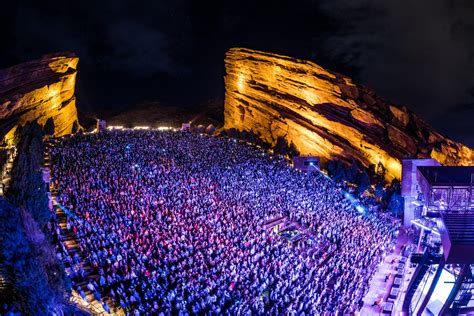
When I moved to Denver in 2006, I finally felt free to live openly as a gay man. For the first time, I could show up in the world without hiding who I was. But the moment I truly came alive happened one unforgettable night at Red Rocks Amphitheater.
Cyndi Lauper brought her True Colors Tour to that iconic stage, and I was there — my first real concert, my first non-church musical event. Under the open sky, surrounded by ancient stone and a crowd of people who felt like my tribe, I saw performers on stage who reflected me, my identity, my journey. For the first time, I saw people like me — and it lit a spark inside that I didn’t even know was waiting to be ignited.
Since that night, Red Rocks has been more than just a venue. It’s a sacred space where music speaks directly to my soul. Every show I’ve seen there has introduced me to new sounds, new voices, new parts of myself I hadn’t yet explored.
Red Rocks isn’t just where I discovered music — it’s where I discovered myself.
SPRINGFIELD, MISSOURI
After retiring in 2012, I spent six months in Joplin, Missouri, helping the city recover from the devastation of the 2011 tornado. That experience was humbling and grounding, a reminder of both the fragility and the resilience of community.
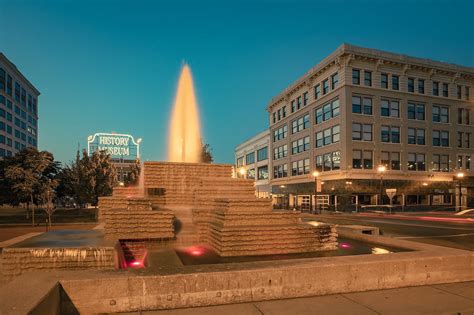
In June 2012, I moved to Springfield, Missouri to be near my daughters. Thirteen years later, I’m still here — the longest I’ve lived in one place in my entire life. As a pastor, I was used to moving every three or four years, always transitioning, always starting anew. But Springfield gave me something different: stability, roots, and the quiet gift of belonging. This is home.
Over the years, I’ve deepened my connections here. I spent several years teaching senior adults at King’s Way United Methodist Church, sharing not just lessons but life experiences and stories. More recently, I joined St. James Episcopal Church, drawn by its liturgy, community, and welcoming spirit.
These years have given me space to reflect — on the journey I’ve traveled, the people I’ve encountered, and the faith that has carried me through seasons of change. I’ve learned to appreciate the slower pace, the familiar faces, and the comfort of staying put long enough to really know a place and its people.
Springfield isn’t just a location on the map for me — it’s where I’ve learned to reflect more deeply, live more presently, and cherish the connections that sustain me.

 The Curious Pilgrims